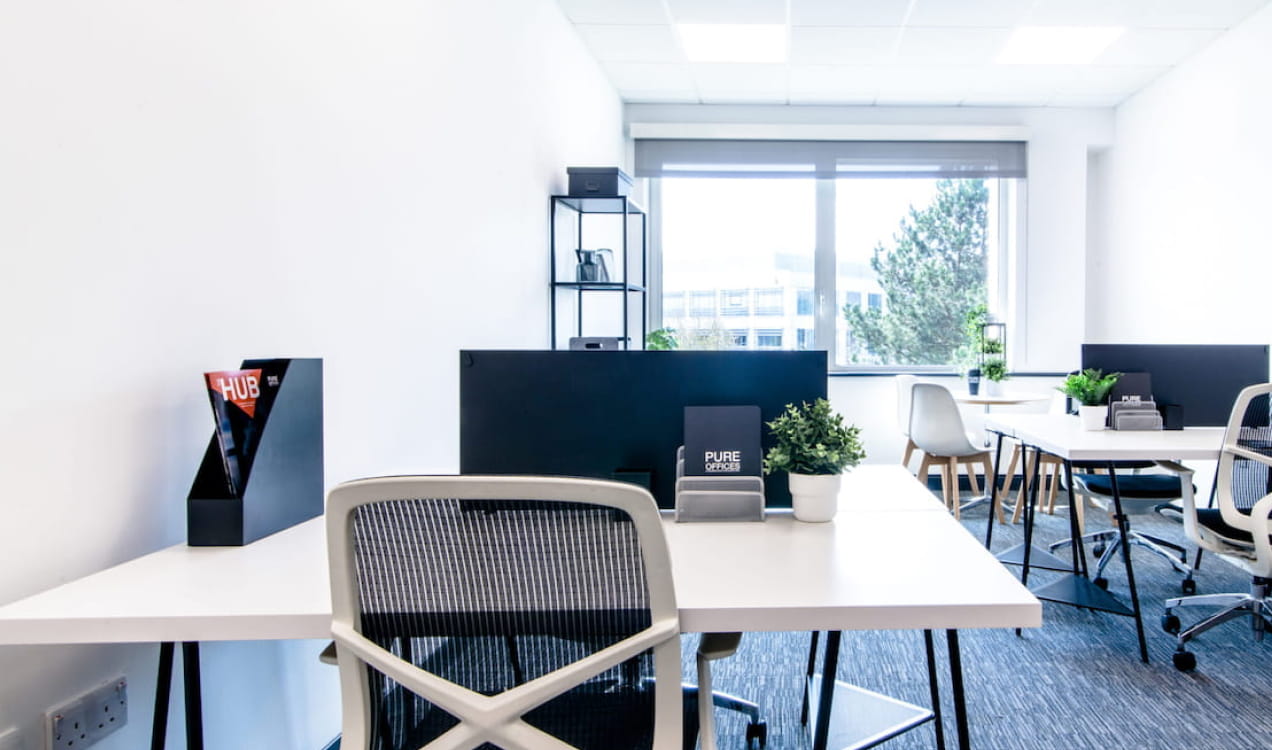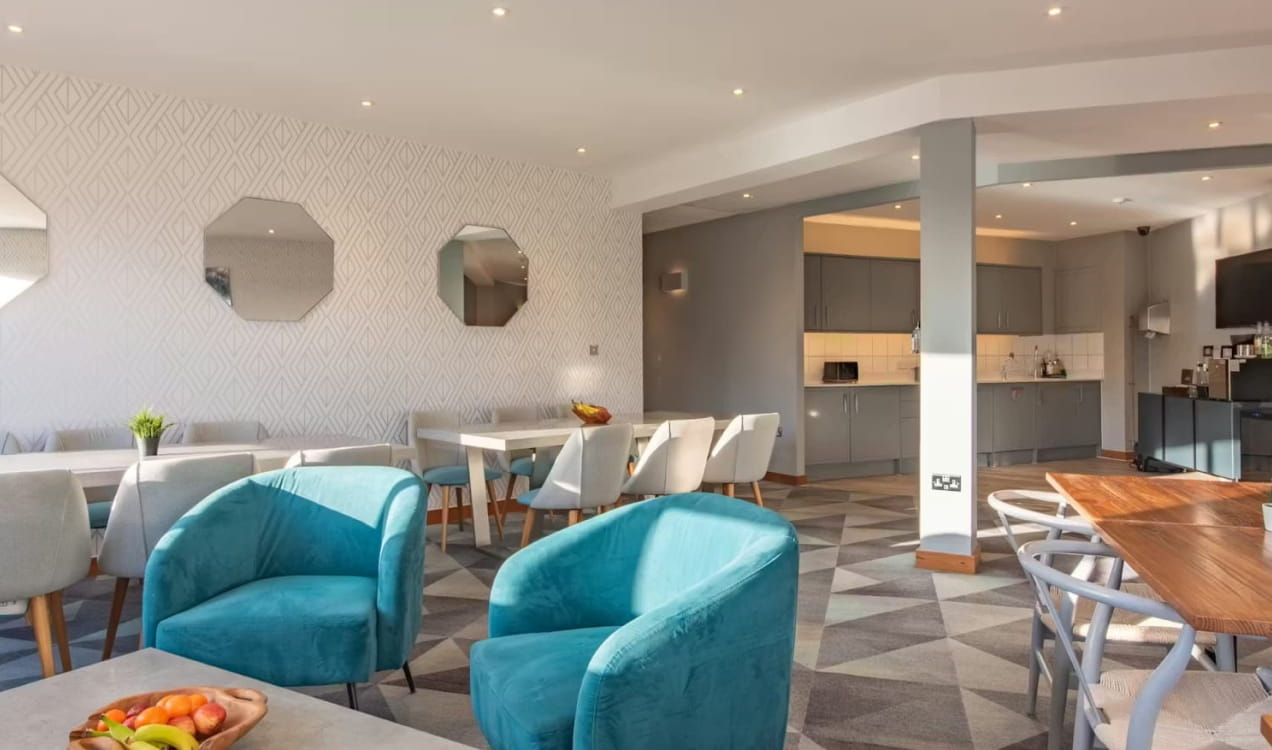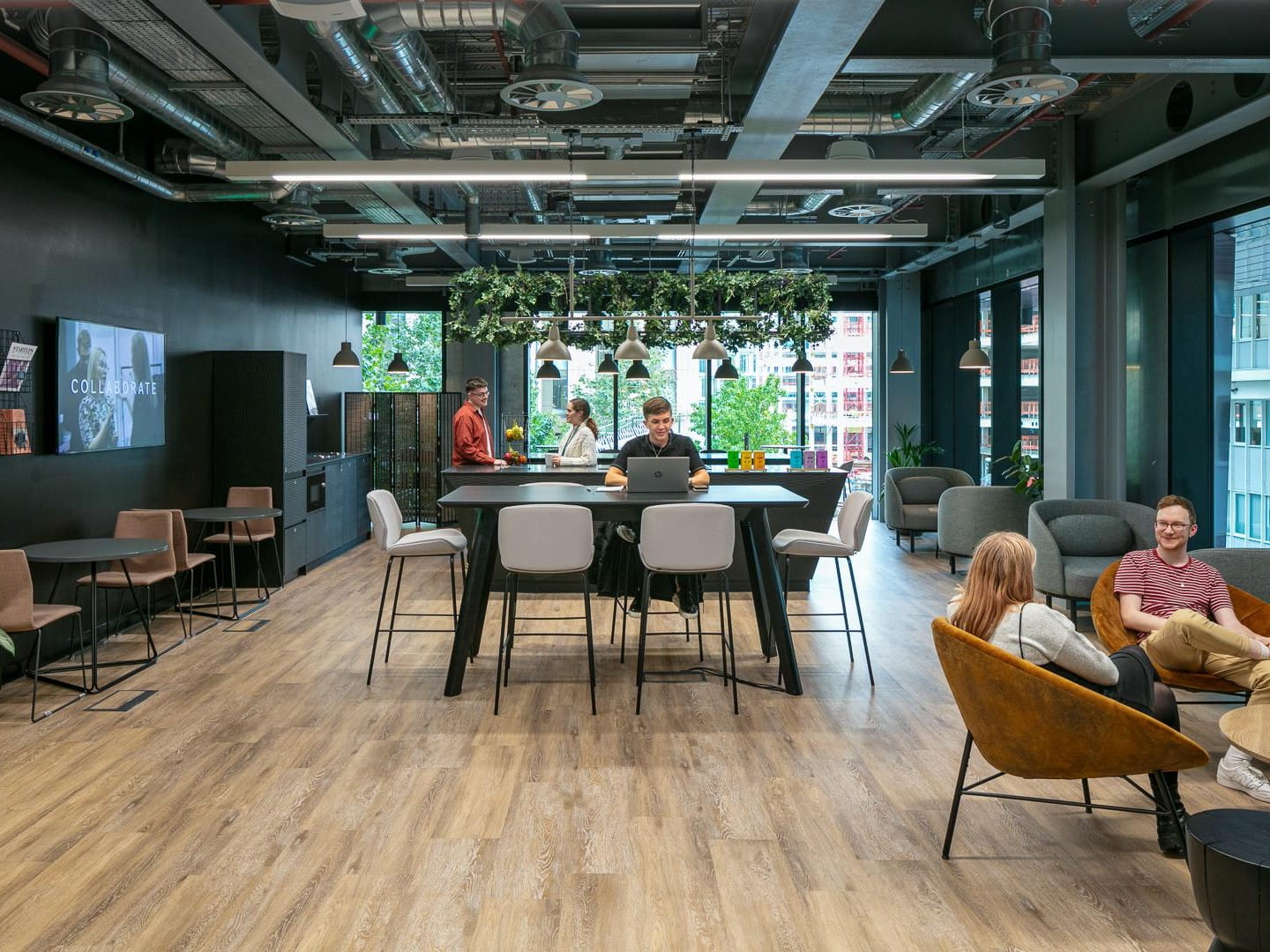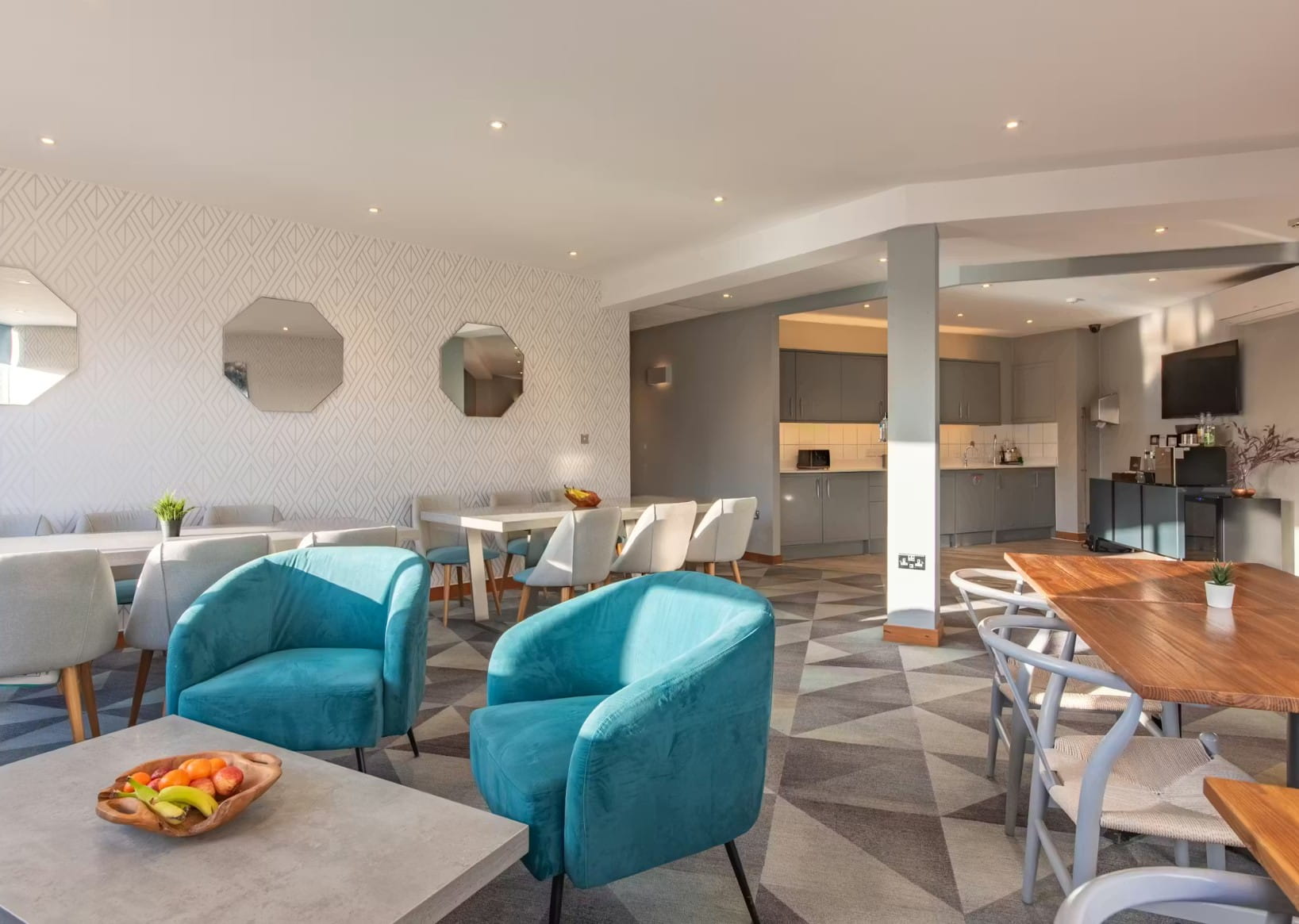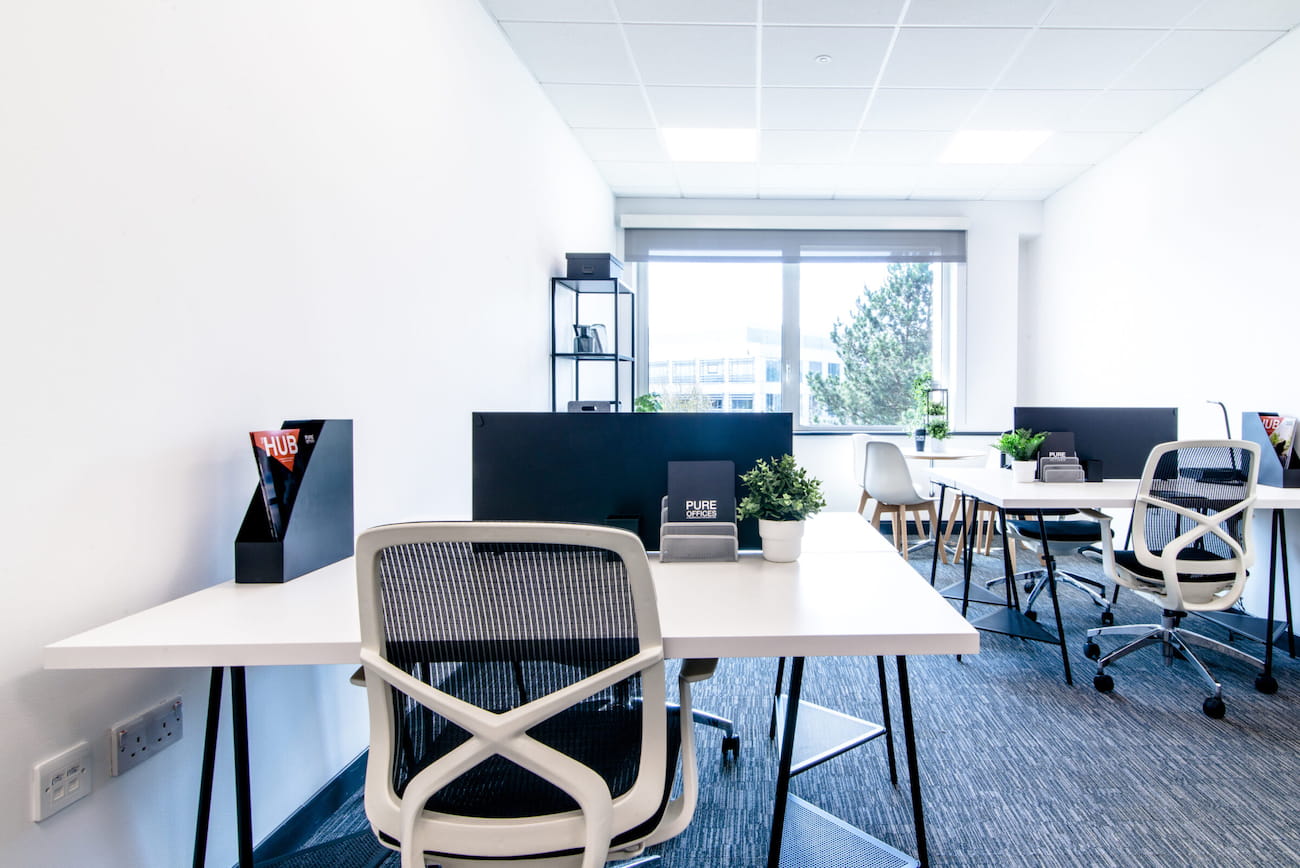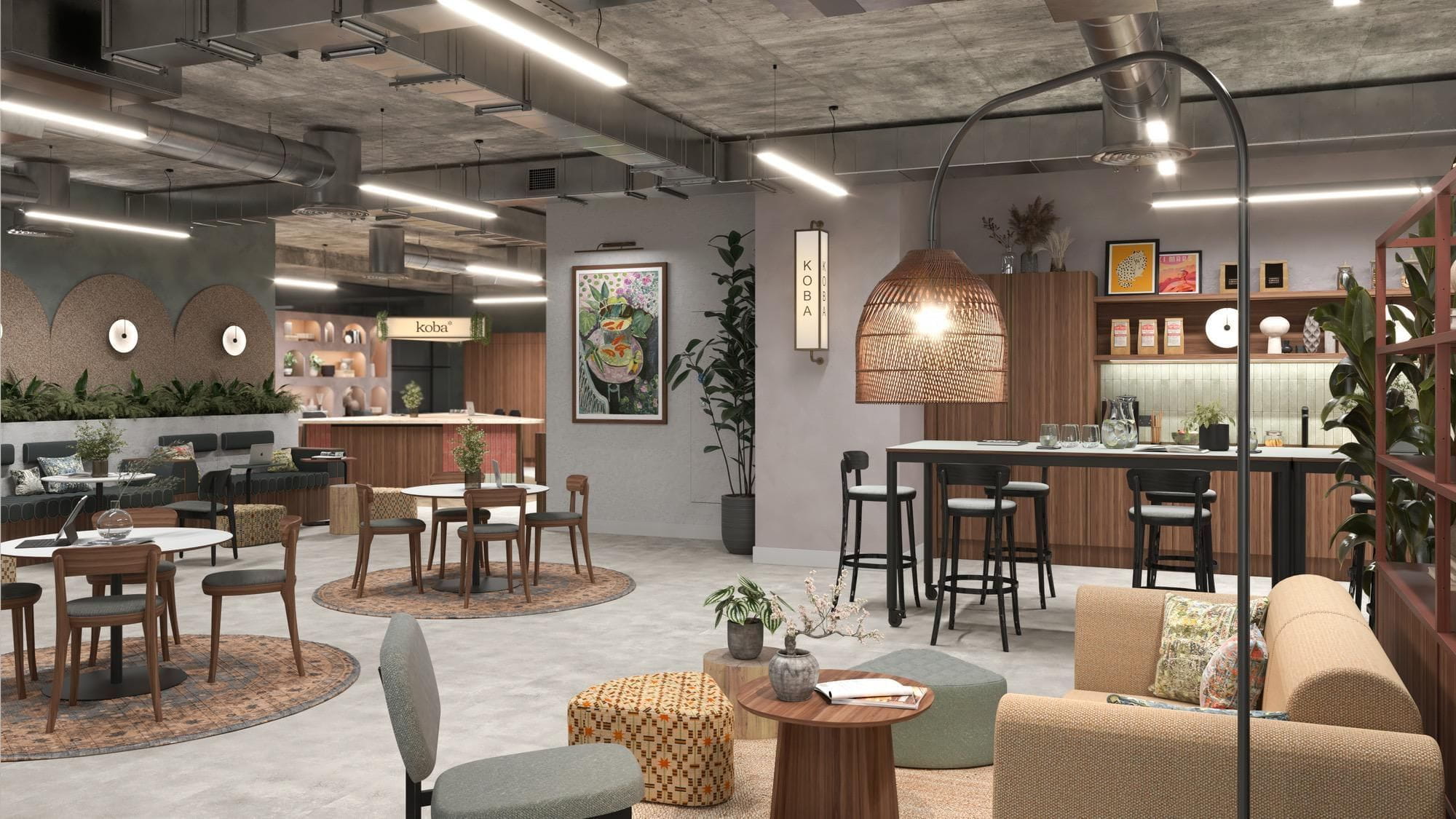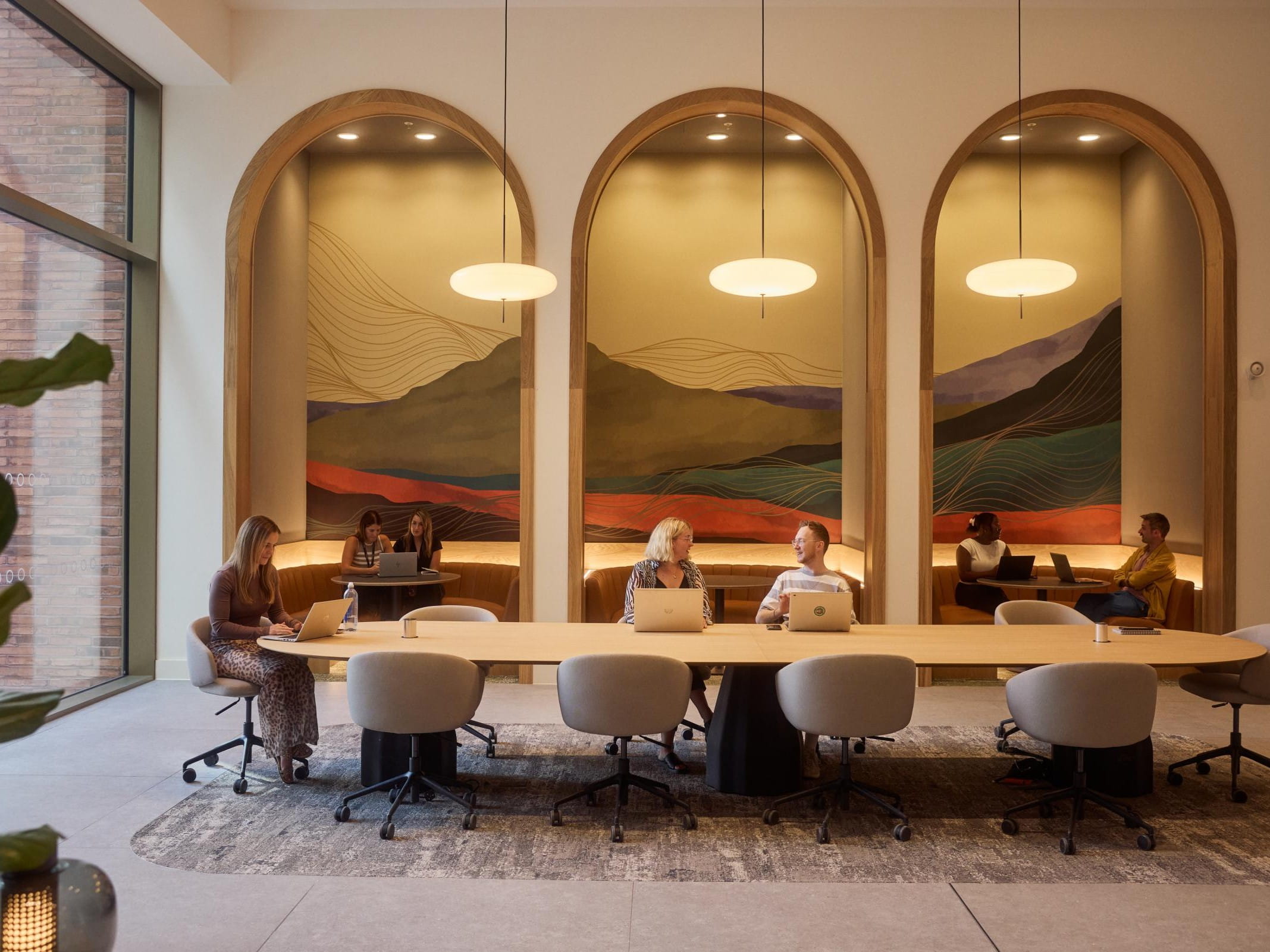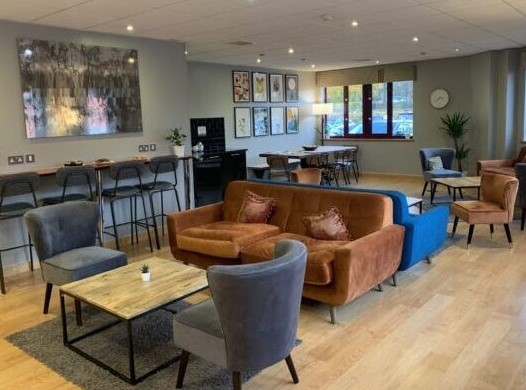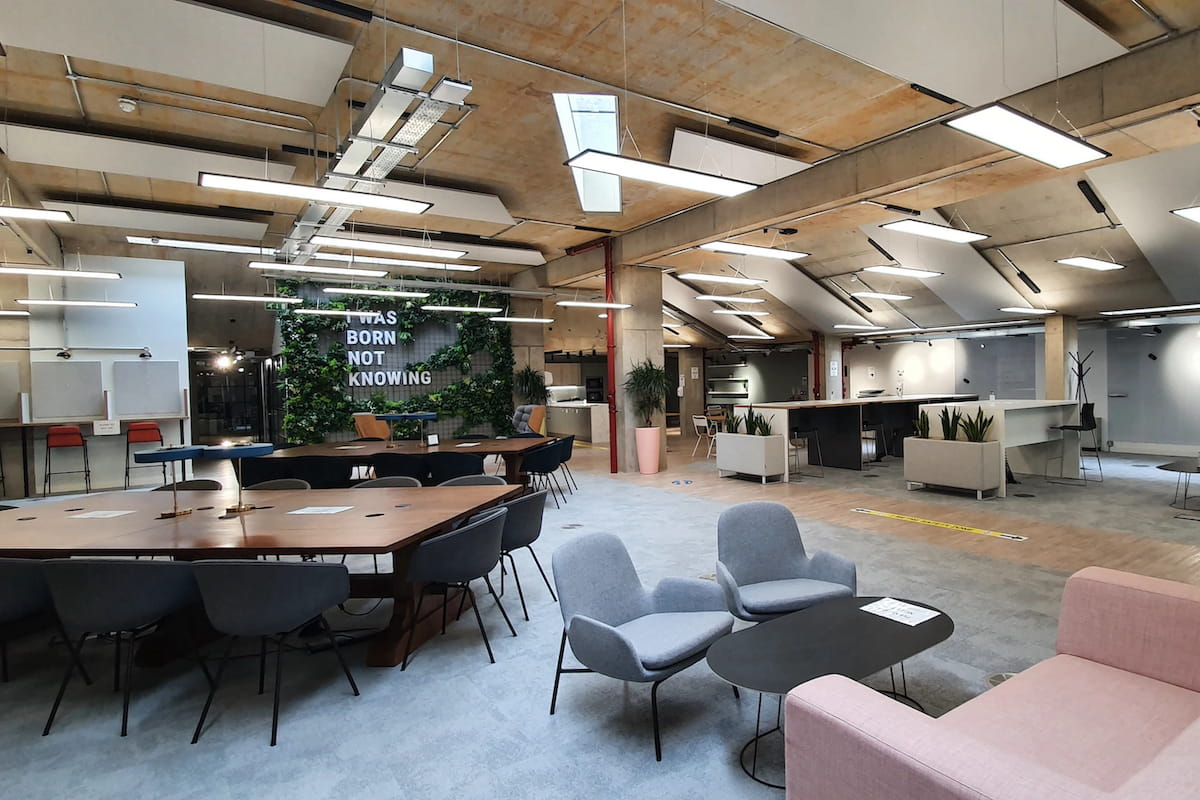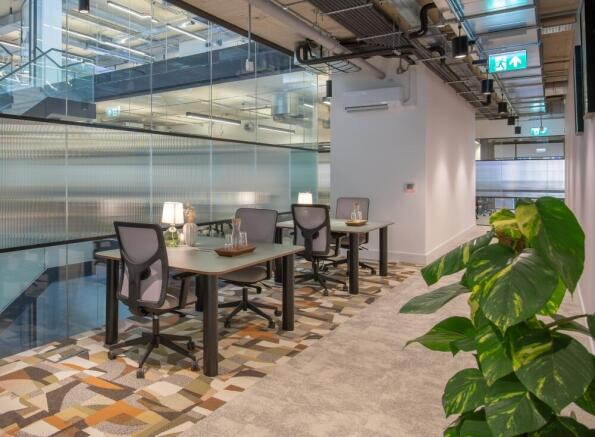
Find affordable office space in Oxford, including flexible offices, lower-cost areas and practical workspace solutions for startups.
Finding affordable office space in Oxford can be challenging.
Demand from research, science and technology companies continues to push prices upward, while supply remains relatively limited compared to larger cities. For startups and smaller businesses, this can make the market feel inaccessible at first glance.
But affordability in Oxford is less about finding the absolute cheapest office and more about understanding value. The right workspace should support growth without creating unnecessary financial pressure.
That often means thinking more strategically about flexibility, location and how space is actually used.

What affordable office space looks like today
Affordable office space has changed significantly over the last few years.
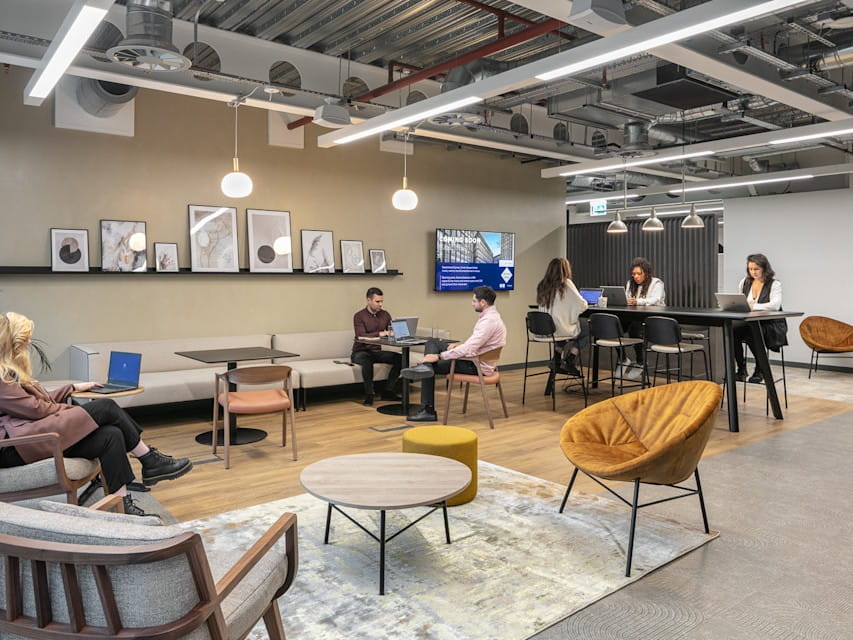
Hybrid working has reduced the need for large permanent offices, allowing businesses to operate more efficiently with smaller footprints and shared facilities. Flexible workspace providers have also made it easier to access professional environments without large upfront investment.
For many startups, this creates a much more practical route into the Oxford office market.
Where businesses can find better value
Premium innovation hubs and central Oxford locations typically come with higher costs.
Businesses looking for more affordable options often focus on areas slightly outside the core research districts, where pricing is lower but access to transport and talent remains strong.
Flexible and serviced office environments also tend to provide better value overall because they remove many hidden operational costs.
Why flexibility matters for affordability
Traditional leases can appear cheaper on paper, but the reality is often very different once fit-out, maintenance and operational costs are included.
Flexible office space allows businesses to avoid much of this upfront investment while maintaining predictable monthly costs. For smaller businesses and startups, this can make cash flow management significantly easier.
Flexibility also reduces risk. Businesses are less likely to become trapped in oversized or unsuitable offices as their requirements change.
What startups should prioritise
For startups in Oxford, affordability should not come at the expense of practicality.
Transport links, scalability and proximity to talent still matter. Choosing the cheapest possible office without considering how it supports recruitment, collaboration and day-to-day operations can create problems later on.
The most effective office decisions balance cost with long-term usability.